
Advertorial
Presklené priečky Digero – industriálna duša v modernom šate
Presklené priečky umožňujú členenie interiéru pri zachovaní svetla a priestorovej otvorenosti.
Konferencia - Svetlo pre každý projekt
Spoločnosť LEDVANCE Vás pozýva na konferenciu venovanú moderným riešeniam v oblasti osvetlenia. Podujatie prinesie inšpirácie, inovácie aj praktické...
S účinnosťou od 1. januára 2027 v Nemecku, Rakúsku, Českej republike a na Slovensku
AXOR stavia v strednej Európe na selektívnej distribúcii zameranej na kvalitu,
Dvere MASTER – variabilný systém pre interiéry bez kompromisu
Atypické rozmery, čistý detail a sloboda v práci s materiálom - aj tak môže vyzerať súčasný prístup k interiérovým dverám.
Dom Immi, Ebnit
Úsporné bývanie vo svahu.
seminARCH: priestor, akustika a funkcia
Spoločnosť Geberit pozýva architektov na bezplatný odborný seminár venovaný akustickému komfortu a kvalite bývania.
Vonkajšia voda bez sezónnych obmedzení
Nezámrzný vonkajší ventil SCHELL Polar II Set prináša riešenie pre bezpečný odber vody aj počas chladných mesiacov. Automatické vyprázdnenie...
ARTEVO KOMPLETUJE PONUKU OKENNÉHO SYSTÉMU
Okenný systém ARTEVO rozširujú nové vstupné dvere a veľkoformátový zdvižno-posuvný portál. Platforma tak prináša ucelené riešenie s dôrazom na...
Vonkajšie žalúzie NEVA získali EPD certifikáciu
Tieniaca technika s environmentálnym rodným listom.
Prémiové interiérové dvere – aktuálne trendy
Dvere sa čoraz viac stávajú súčasťou architektonickej koncepcie priestoru, nielen samostatným funkčným výrobkom.
Otvorenie novej vzorkovne STEALTH, prémiových okien a dverí
Nový showroom spoločnosti Internorm, kde sa stretáva architektúra, dizajn a inovácie nájdete v zrekonštruovaných Dvoch Sýpkach v...
Architektonická súťaž Internorm 2026
Súťažná prehliadka vstupuje do ôsmeho ročníka.
Projekt Rakyta prináša novú podobu mestského bývania v Bratislave
K vyššiemu komfortu bývania prispievajú aj okenné systémy REHAU SYNEGO, zvolené pre svoje tepelnoizolačné vlastnosti,...
Priestorová sloboda: Nová generácia výklopno-kyvných strešných okien
VELUX prináša dostupnejšie výklopno-kyvné strešné okná GNL a GNU, ktoré rozširujú možnosti práce so svetlom, výhľadom...
SAINT- GOBAIN Architecture Student Contest 2026
Výsledky národného kola obľúbenej študentskej súťaže.
Budapest Design Week 2016 – Design Anatomy


| Začiatok | 23.9.2016 10:00 |
| Koniec | 2.10.2016 18:00 |
| Miesto | Budapešť |
| Adresa | Budapešť, Maďarsko |
| Druh podujatia | Podujatie |
| Kontakt | Petra Hoffmann +3670 201-9608 pr@designhet.hu |
In line with its slogan ’Design Anatomy’, Budapest Design Week undertakes to present the diversity of relationships between man and man’s built environment. All that does not directly stem from nature around us is a result of a design process. All designed elements rely on the dimensions, proportions and properties of the human body: these are what an interior designer relates to on designing the proportions of an interior, or an UX designer on dreaming up a smartphone app, or a fashion brand on manufacturing sportswear. The function of design is to embody the interaction between the human body and our environment, using the most recent innovation and technology, in order to make it as practical, efficient and aesthetic for man as possible, which means marketability at the same time. In 2016, the series of events during Budapest Design Week map the relations of the human body, the surrounding tools, objects and spaces – starting from furniture design to fashion, from UX design to the psychological effect of the environment on the soul, while focusing on the role that design plays in the growth of the economy.
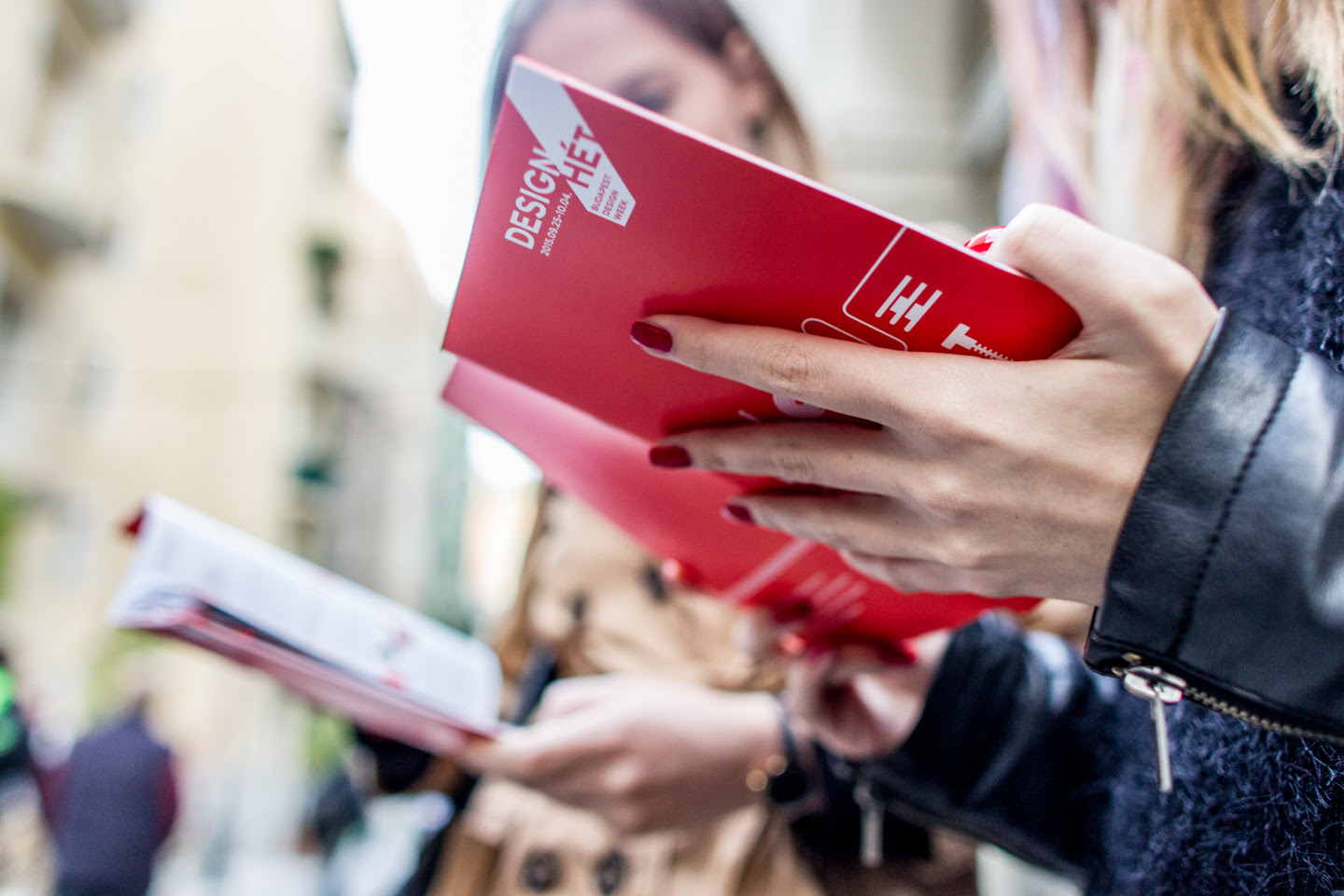
Among professional considerations, designers also take socio-cultural, economic and psychological aspects into account for their design work, with particular respect to the immediate environment where their creation must exist. In this respect, designers from various countries respond differently to the same stimuli, and their approaches also vary. A priority objective of Budapest Design Week in 2016 is to present the different idioms, solutions and means used by designers from different countries that have similar social, economic and cultural traditions and properties besides facing similar challenges. On this note, and celebrating the 25th anniversary of the Visegrád Group in existence, the Guests of Honour at this year’s Budapest Design Week will be the four Visegrád Countries. Contemporary designers from the Guests of Honour will be devoted a grand exhibition and a number of programmes intended for the both profession and for the general audience to present works of contemporary designers from the Czech Republic, Slovakia, Poland and Hungary.
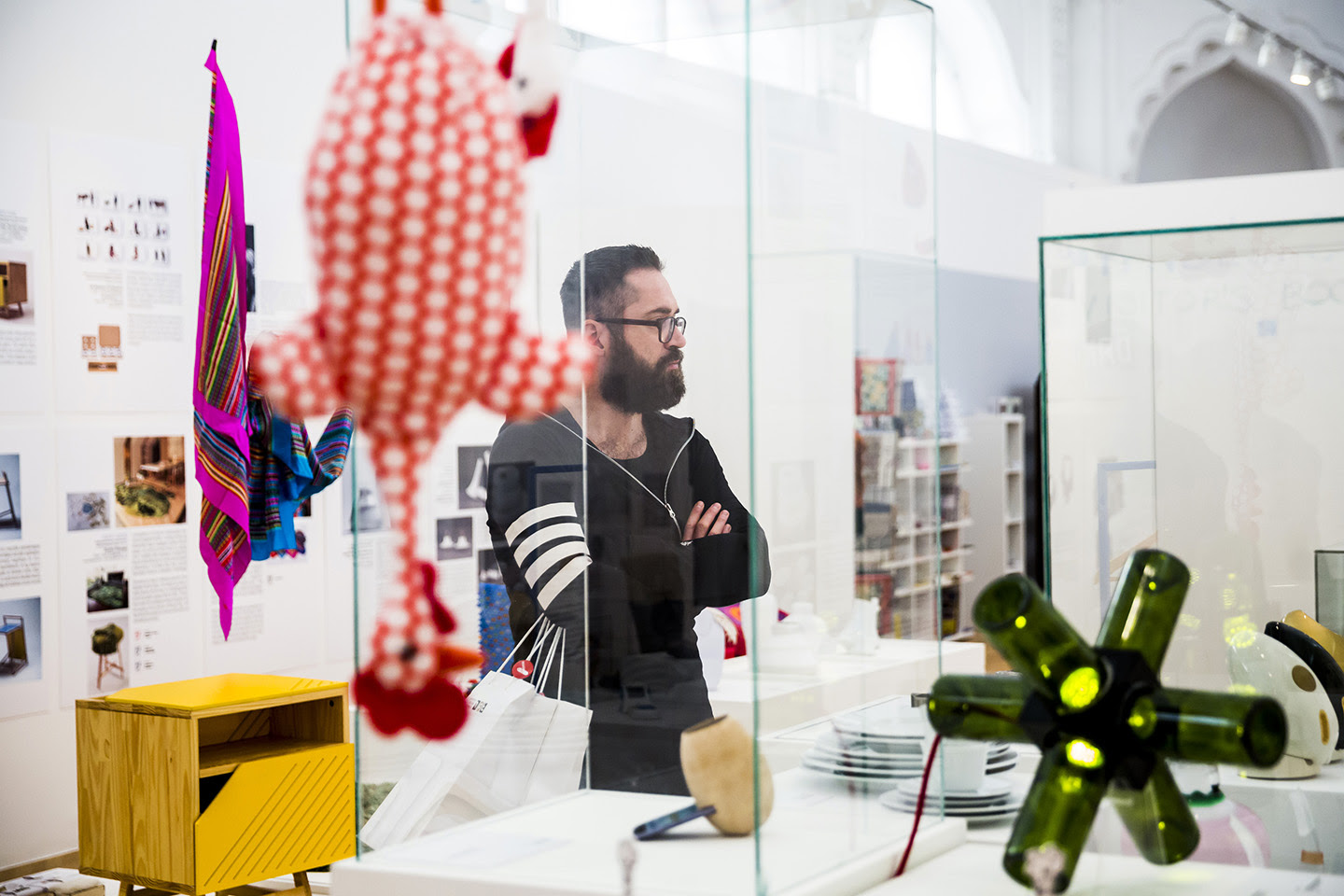
Following the traditions of prior years, the Hungarian Design Award and the Design Management Award are set to be ceremonially conferred during Budapest Design Week, along with an exhibition showcasing leading works and successful, praiseworthy organisations. Moreover, the accompanying elements that have persistently been present for years will be available also in 2016: Design Tours, workshops to promote the encounter of designers and investors, as well as Open Studios, which allow a peek into designers’ day-to-day work. A priority goal of Budapest Design Week is to draw the corporate sector’s attention to the opportunities offered by design and to the significance of design awareness, which improve competitiveness in both the domestic and international scene. For this reason, programmes that emphasize the economic role of design will be allowed more latitude in the series of event.
Besides the central programmes, a host of fringe programmes will be offered by shops, galleries, showrooms, museums, cultural and community spaces, as well as bars and restaurants in Budapest and multiple other cities during Budapest Design Week. Similarly to earlier years, anyone is free to join; the organisers expect suggestions for programmes until 15 June.
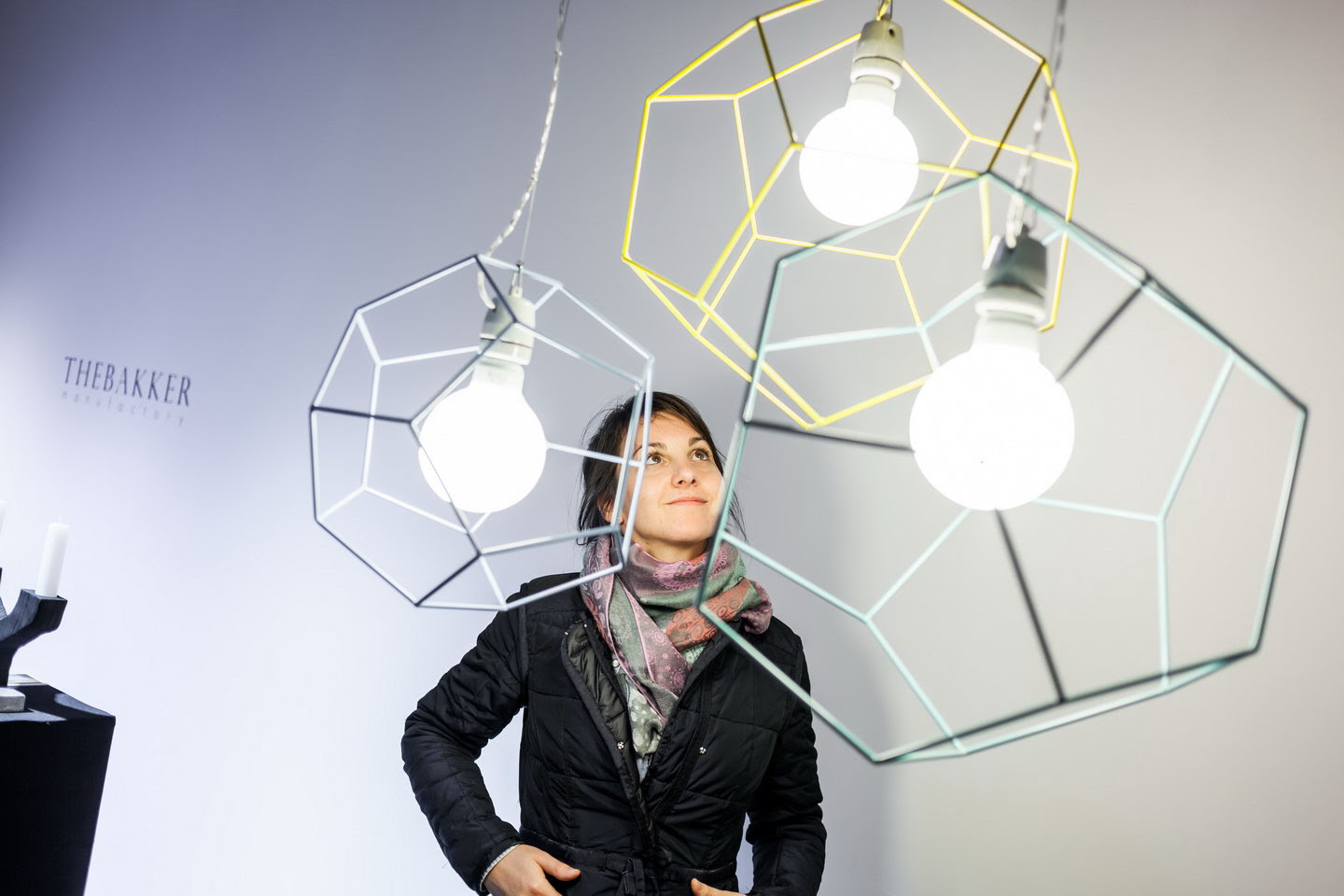
Budapest Design Week is held with Hungarian Intellectual Property Office as a patron and main sponsor, Hungarian Design Council as a chief professional partner, and HIPAVILON Hungarian Intellectual Property Agency as the organiser.