
Advertorial
S účinnosťou od 1. januára 2027 v Nemecku, Rakúsku, Českej republike a na Slovensku
AXOR stavia v strednej Európe na selektívnej distribúcii zameranej na kvalitu,
Dvere MASTER – variabilný systém pre interiéry bez kompromisu
Atypické rozmery, čistý detail a sloboda v práci s materiálom - aj tak môže vyzerať súčasný prístup k interiérovým dverám.
Dom Immi, Ebnit
Úsporné bývanie vo svahu.
seminARCH: priestor, akustika a funkcia
Spoločnosť Geberit pozýva architektov na bezplatný odborný seminár venovaný akustickému komfortu a kvalite bývania.
Vonkajšia voda bez sezónnych obmedzení
Nezámrzný vonkajší ventil SCHELL Polar II Set prináša riešenie pre bezpečný odber vody aj počas chladných mesiacov. Automatické vyprázdnenie...
ARTEVO KOMPLETUJE PONUKU OKENNÉHO SYSTÉMU
Okenný systém ARTEVO rozširujú nové vstupné dvere a veľkoformátový zdvižno-posuvný portál. Platforma tak prináša ucelené riešenie s dôrazom na...
Vonkajšie žalúzie NEVA získali EPD certifikáciu
Tieniaca technika s environmentálnym rodným listom.
Prémiové interiérové dvere – aktuálne trendy
Dvere sa čoraz viac stávajú súčasťou architektonickej koncepcie priestoru, nielen samostatným funkčným výrobkom.
Otvorenie novej vzorkovne STEALTH, prémiových okien a dverí
Nový showroom spoločnosti Internorm, kde sa stretáva architektúra, dizajn a inovácie nájdete v zrekonštruovaných Dvoch Sýpkach v...
Architektonická súťaž Internorm 2026
Súťažná prehliadka vstupuje do ôsmeho ročníka.
Projekt Rakyta prináša novú podobu mestského bývania v Bratislave
K vyššiemu komfortu bývania prispievajú aj okenné systémy REHAU SYNEGO, zvolené pre svoje tepelnoizolačné vlastnosti,...
Priestorová sloboda: Nová generácia výklopno-kyvných strešných okien
VELUX prináša dostupnejšie výklopno-kyvné strešné okná GNL a GNU, ktoré rozširujú možnosti práce so svetlom, výhľadom...
SAINT- GOBAIN Architecture Student Contest 2026
Výsledky národného kola obľúbenej študentskej súťaže.
Skryté zárubne: Minimalistický prvok vo vývoji moderných interiérov
Objavte riešenia Dorsis, ktoré spájajú minimalistický vzhľad s vysokou variabilitou, funkčnosťou a spracovaním na mieru.
Dom s dvomi Bytmi, Budapešť
Súčasné bývanie v prostredí budapeštianskej vilovej štvrte.



Jakým způsobem se vypořádat s rozdílem výškových úrovní komunikace a pozemku a s regulativem vyžadujícím sedlovou střechu? Jakým způsobem navrhnout dům s maximálním kontaktem se zahradou?
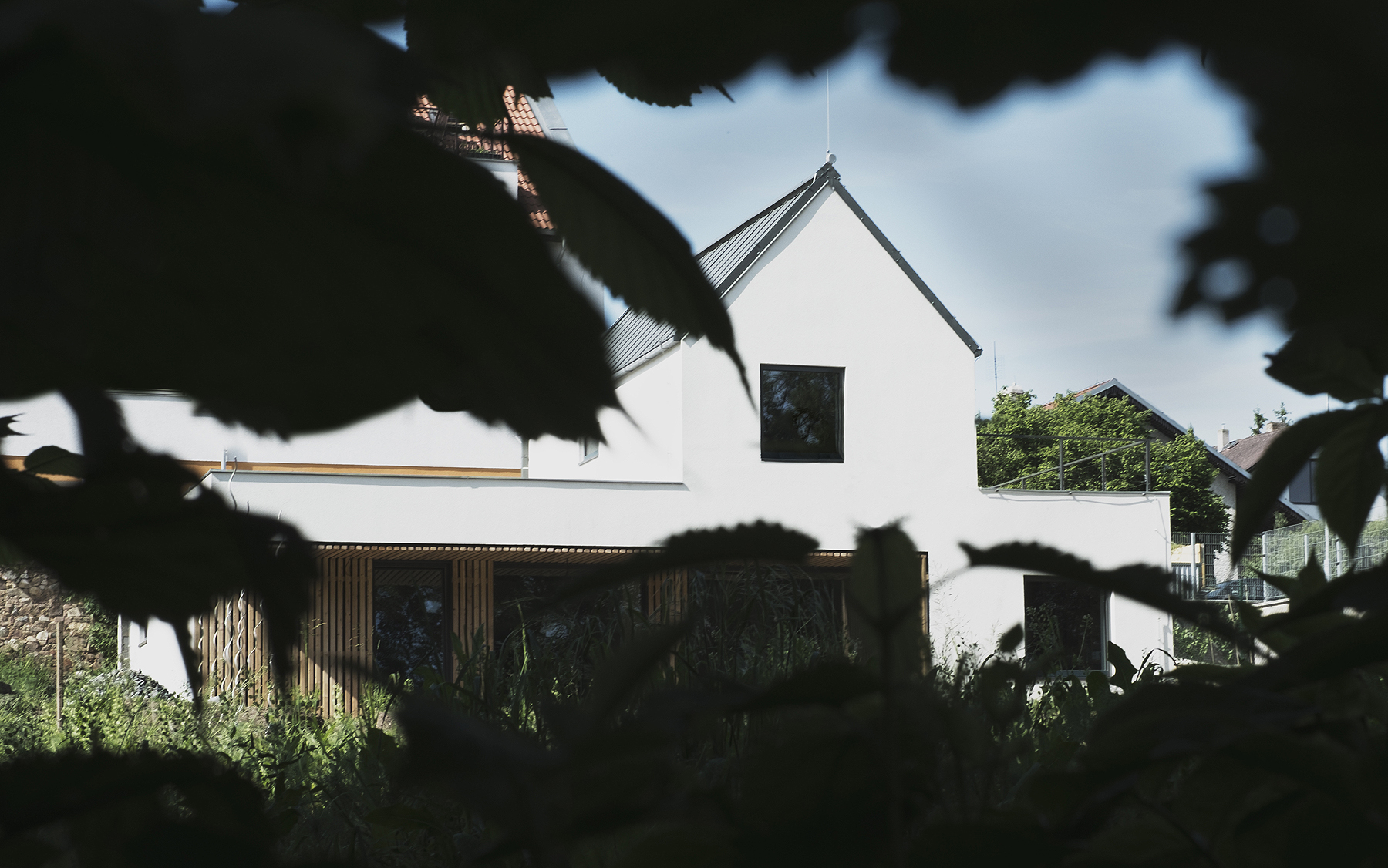
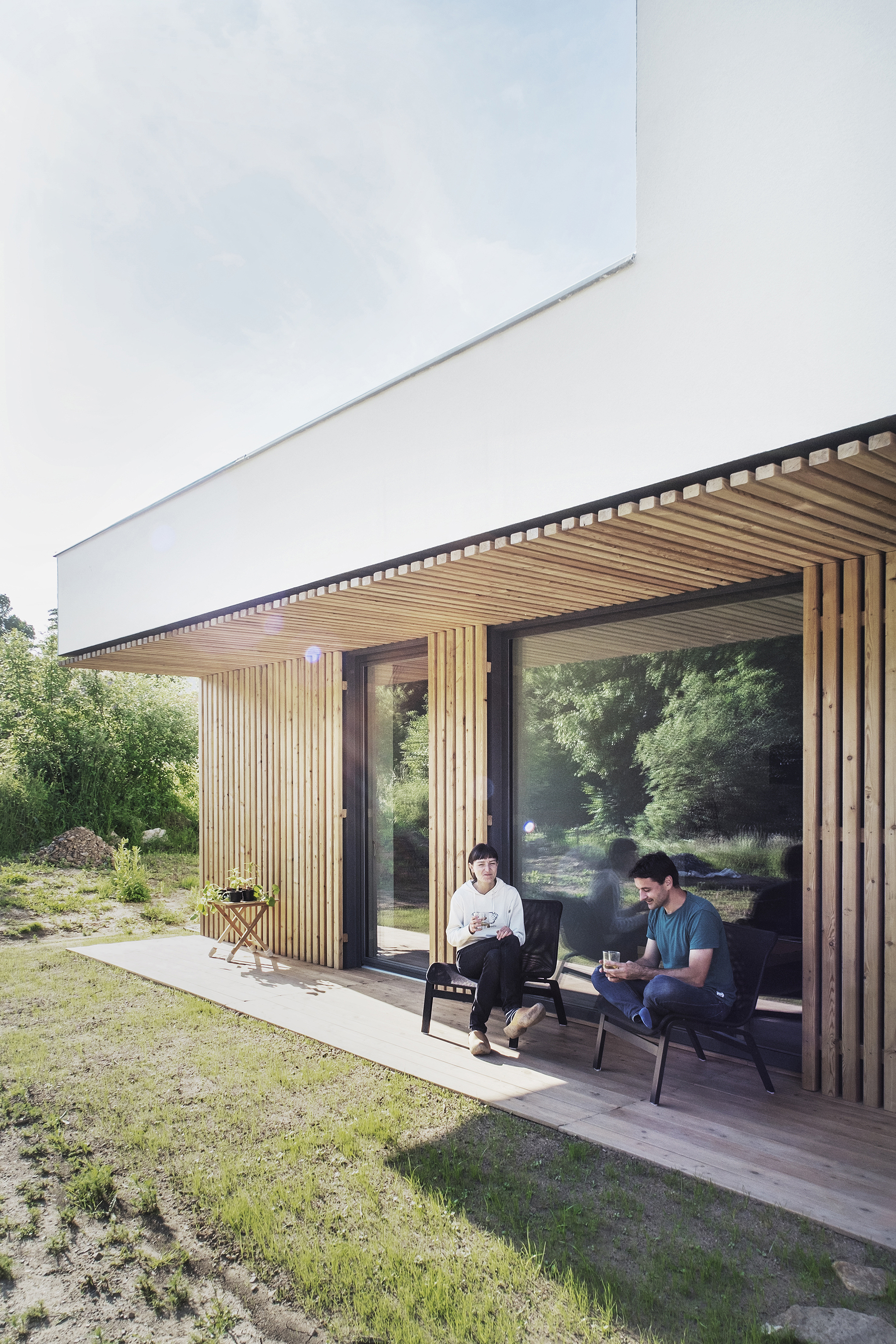
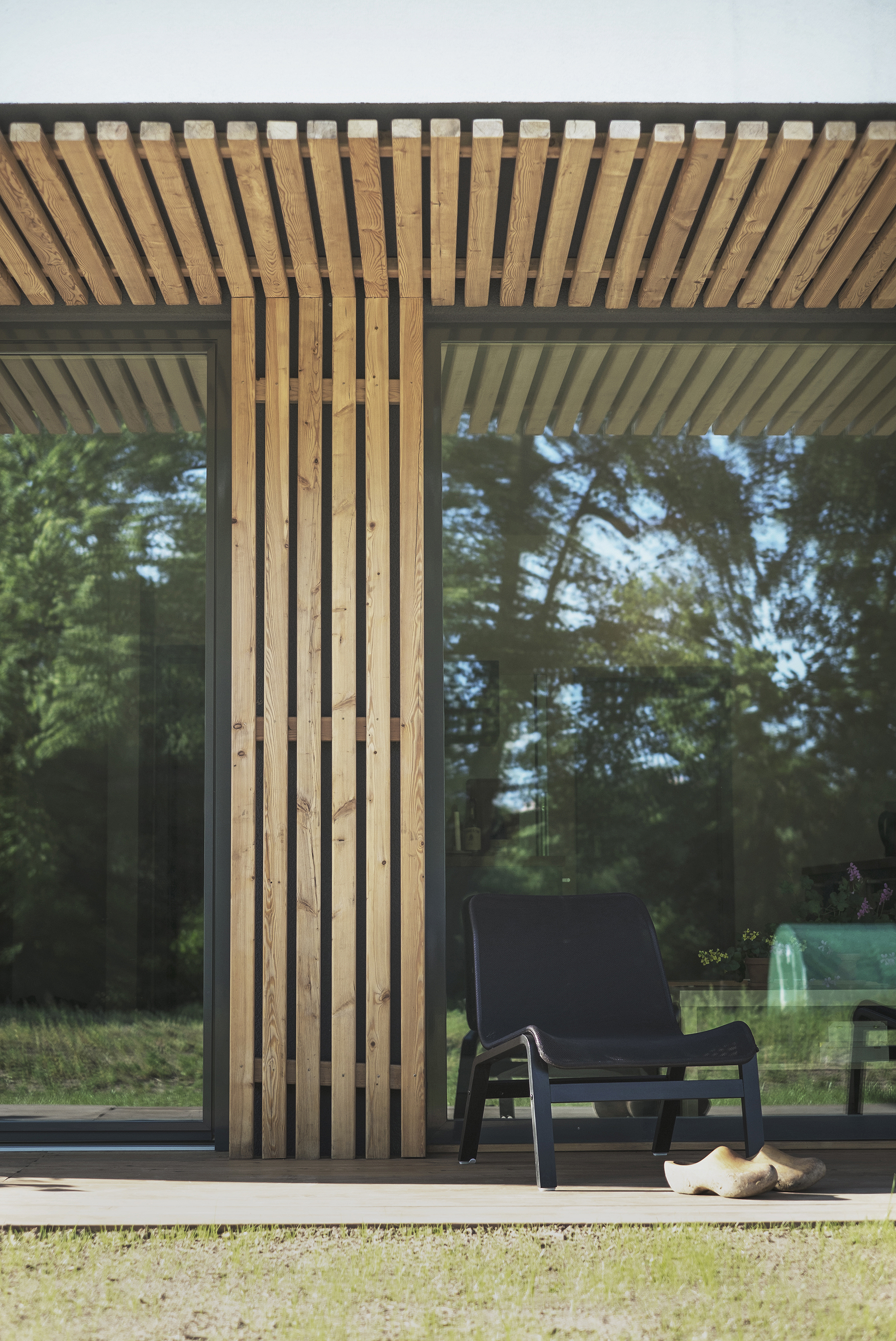
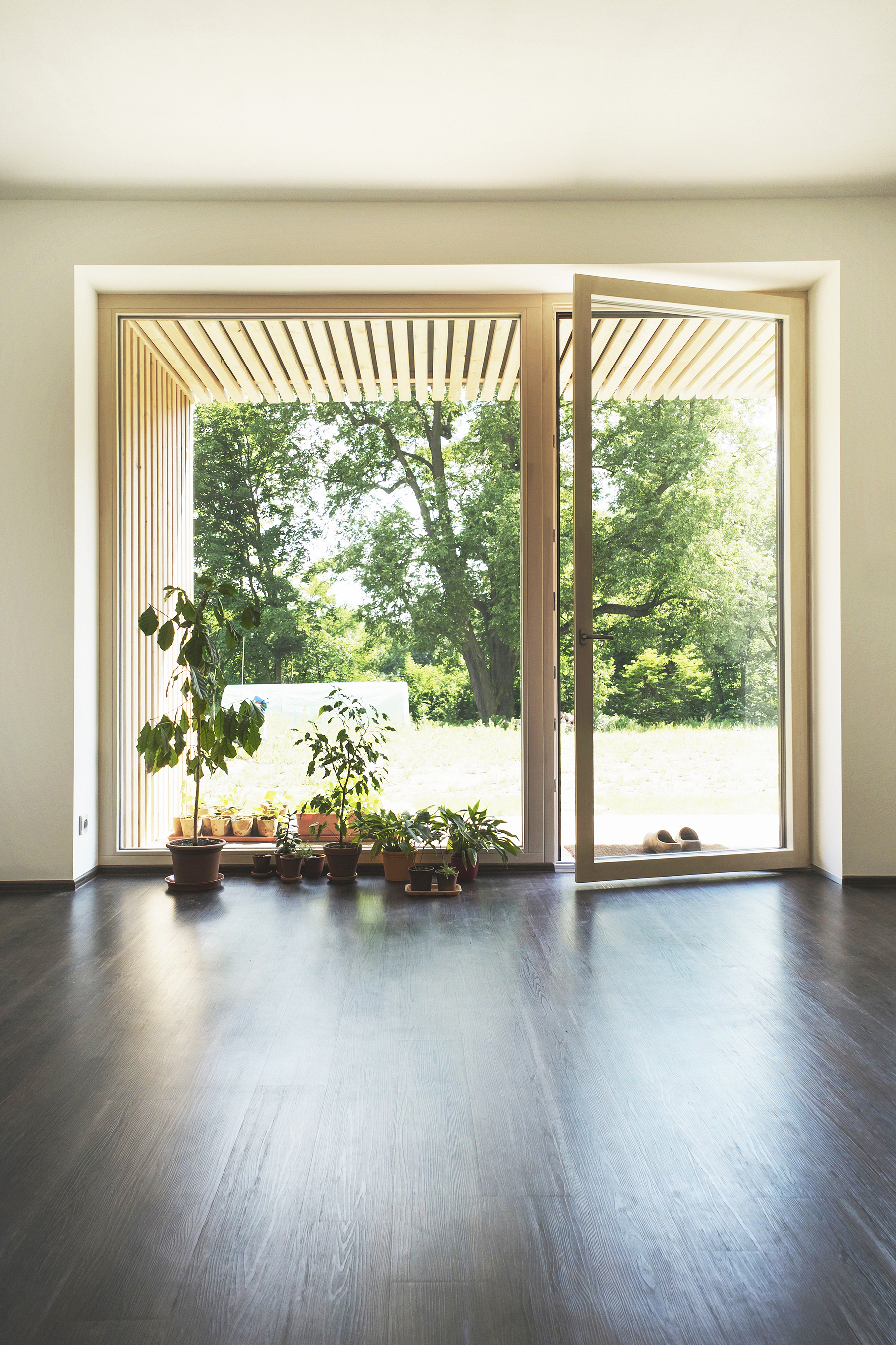
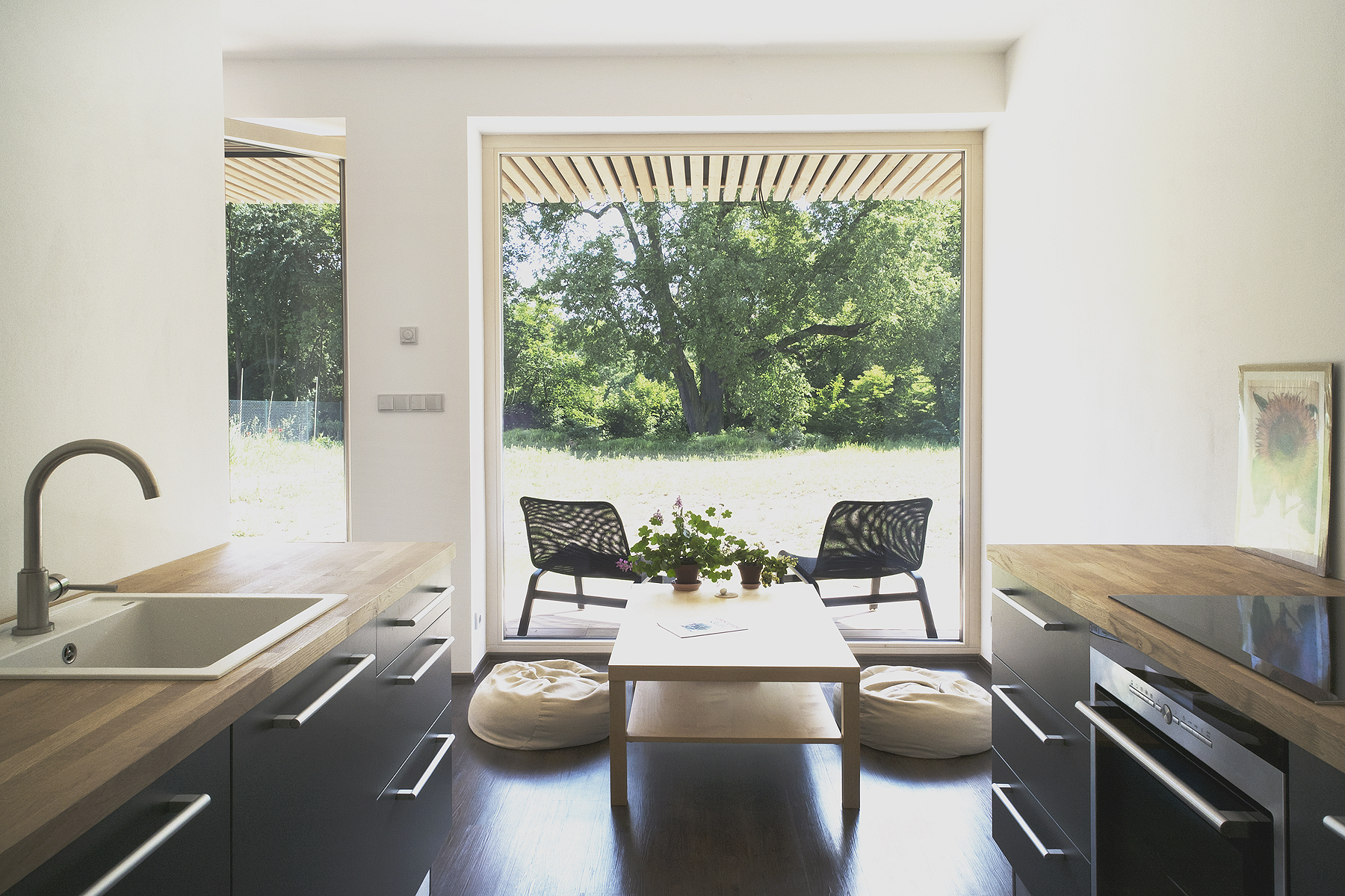
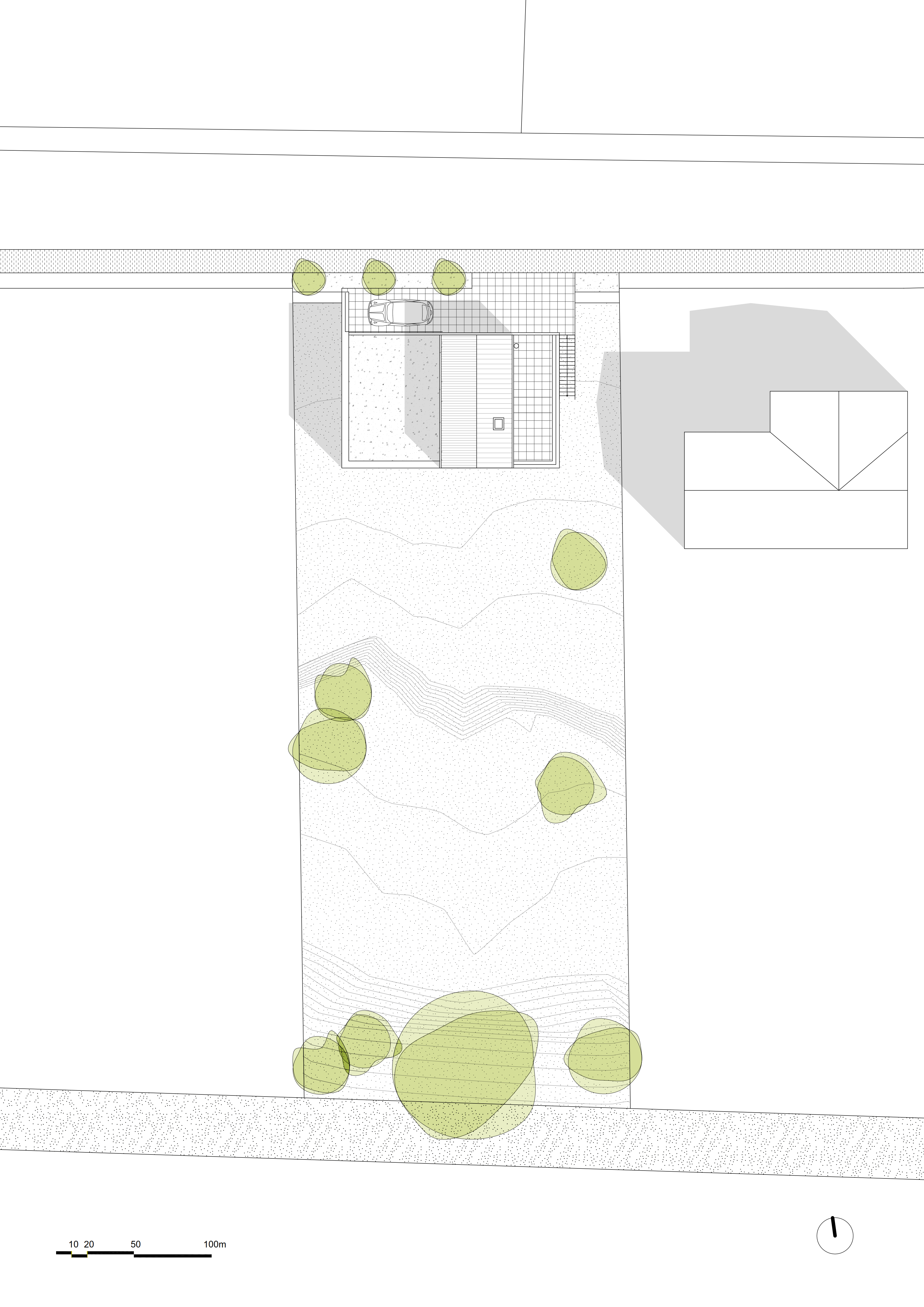
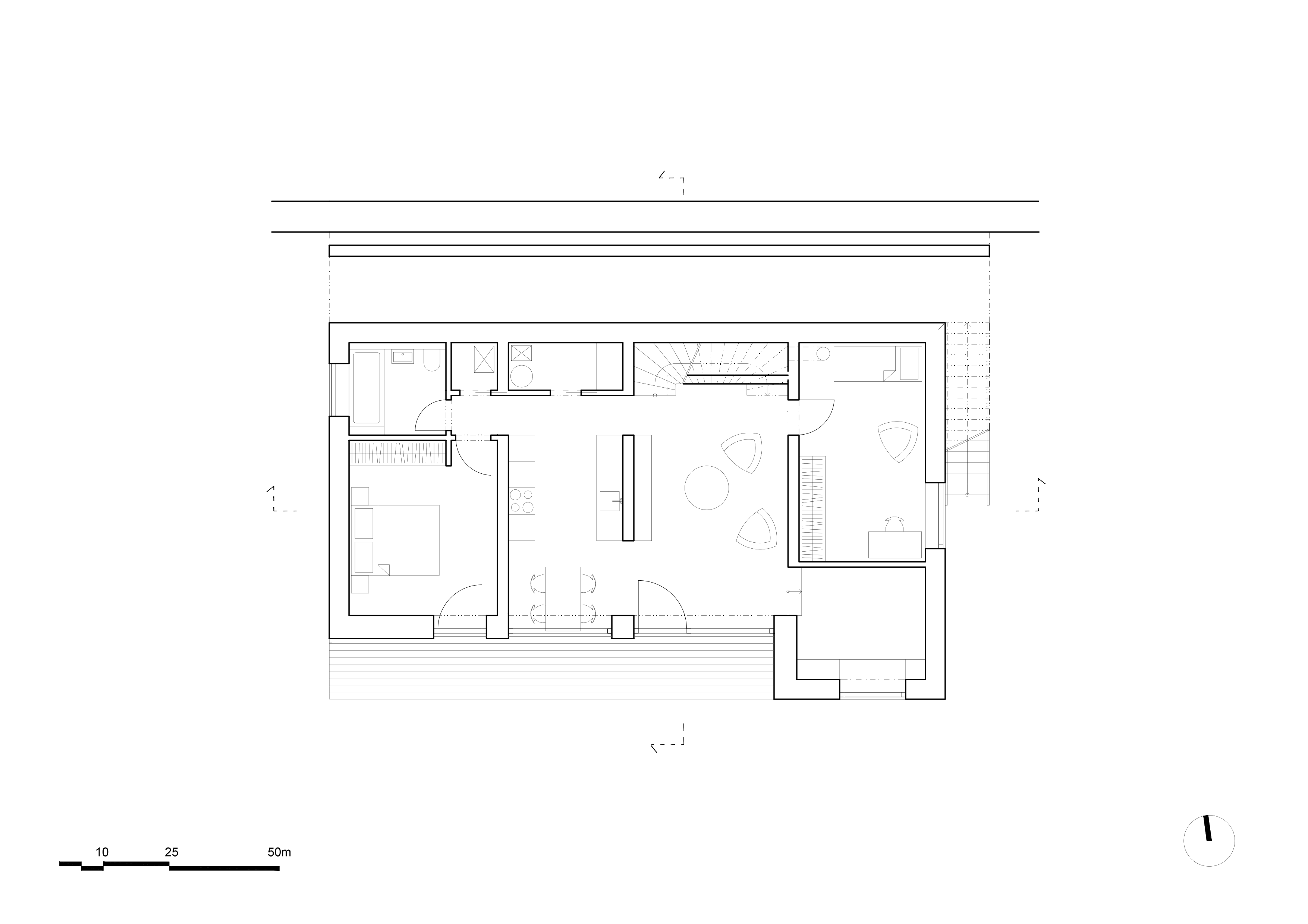
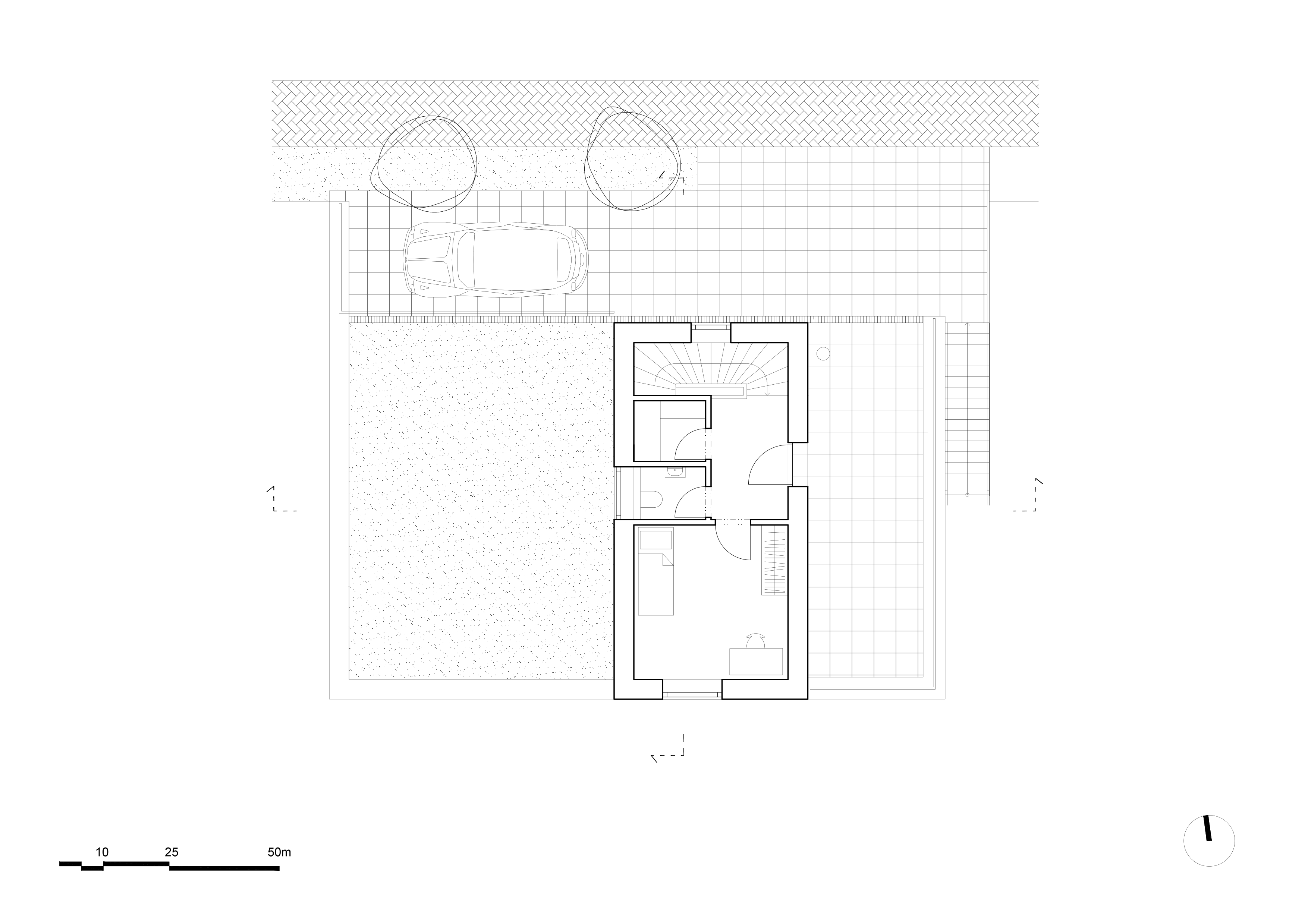
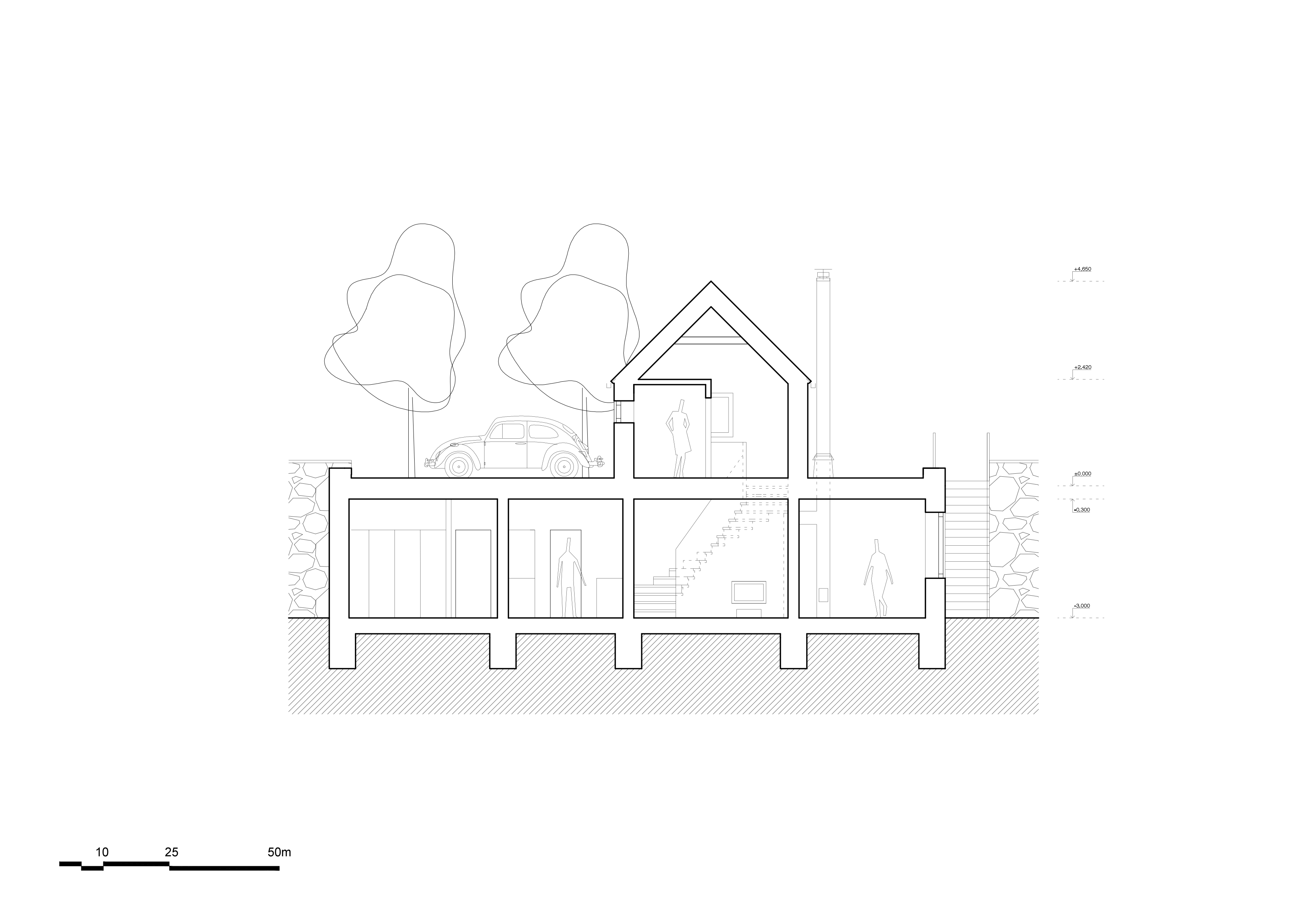
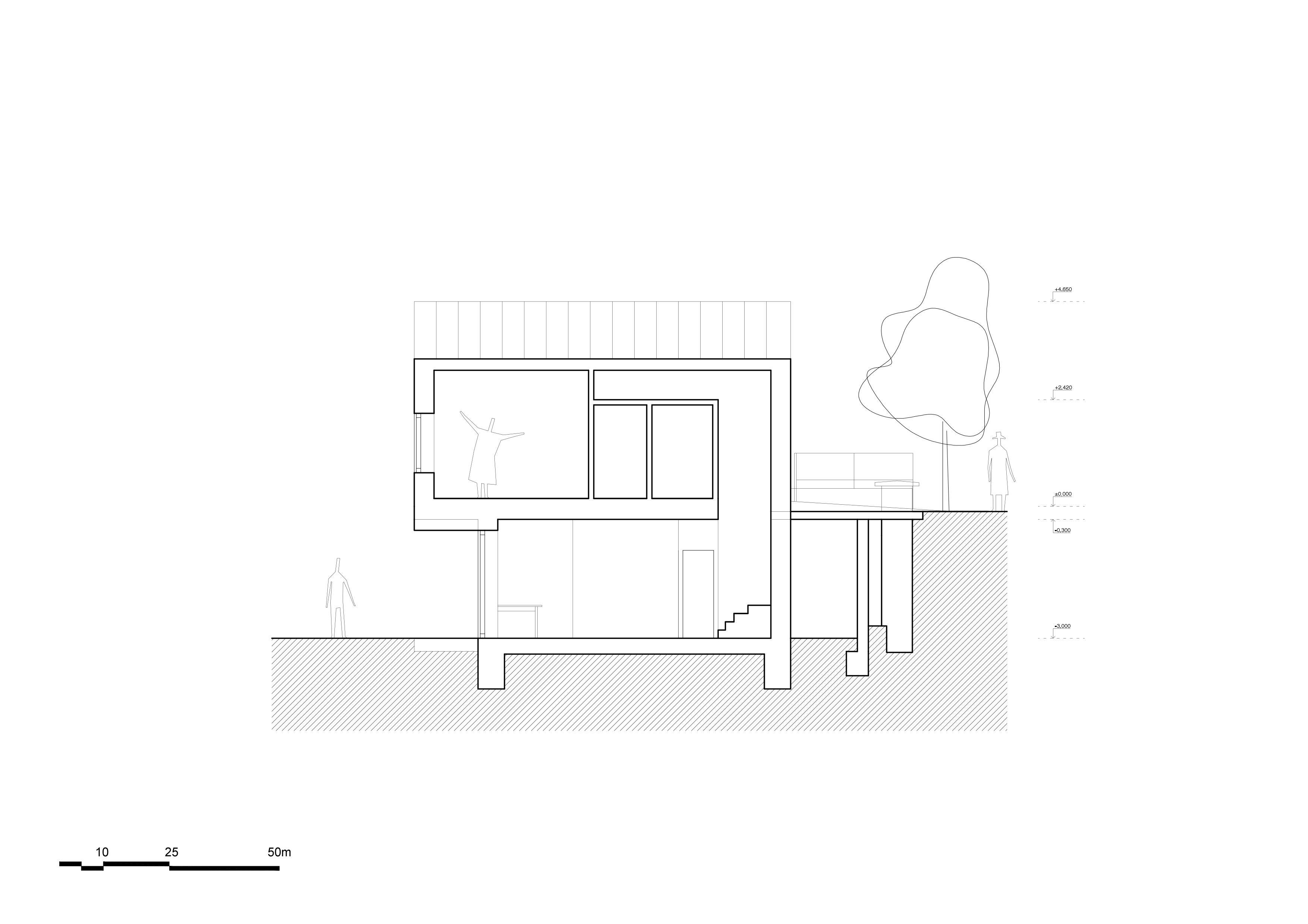
Klienti si přáli malý dům s velkou zahradou. Navrhli jsme dvoupodlažní objekt situovaný na severní hranu pozemku, kde je většina obytné plochy umístěna ve spodním podlaží v přímém kontaktu s terasou a zelení. Terasa je kryta přesahem střechy, který zároveň stíní převážnou část jižní fasády.
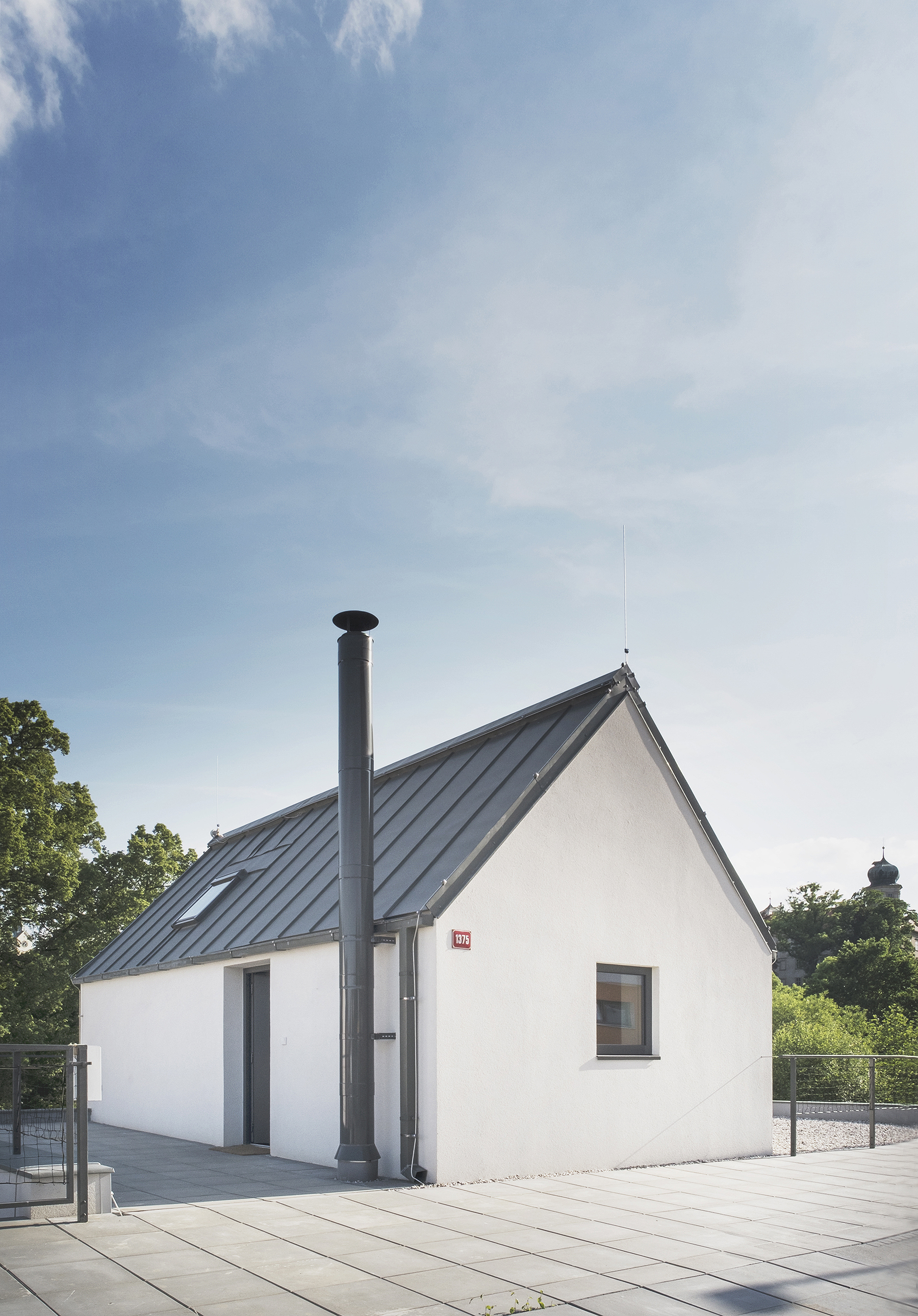
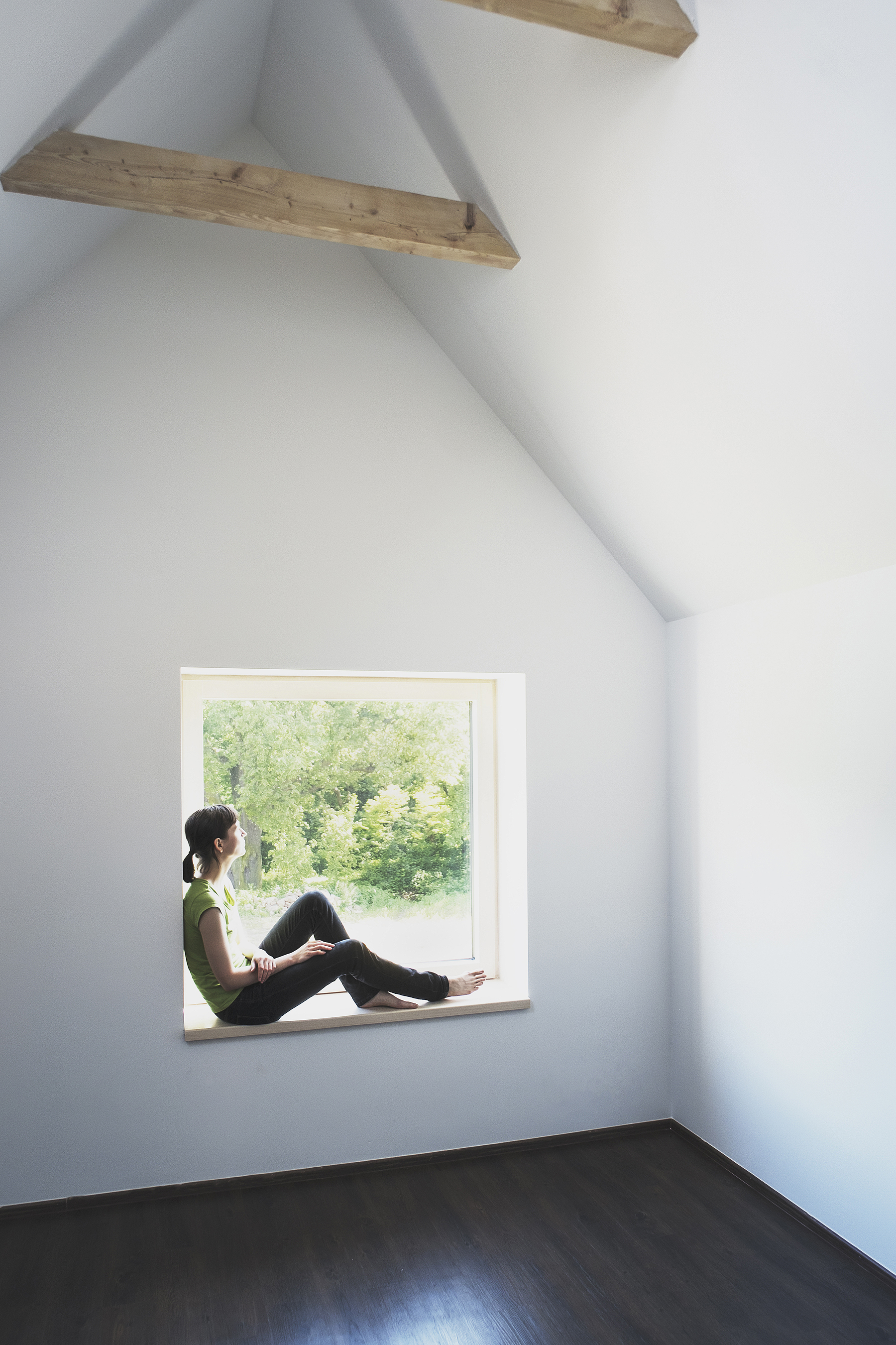
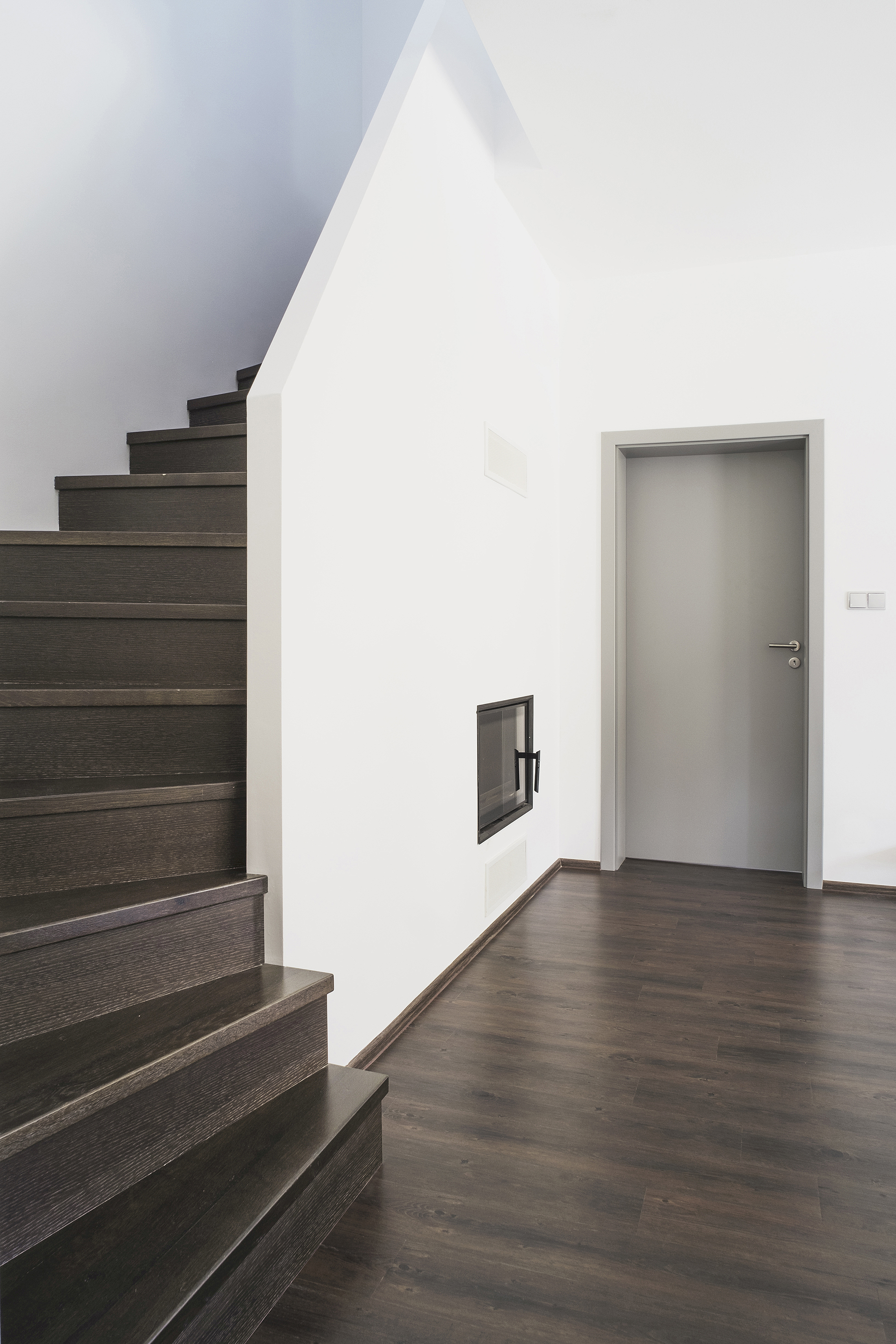
Nahoře, v domečku se sedlovou střechou, se nachází vstupní část a jedna obytná místnost orientovaná na jih do zahrady. Výhledům dominuje mohutná památná lípa u potoka na jihu pozemku.
Klid, lípa, ovce na louce, zámek...
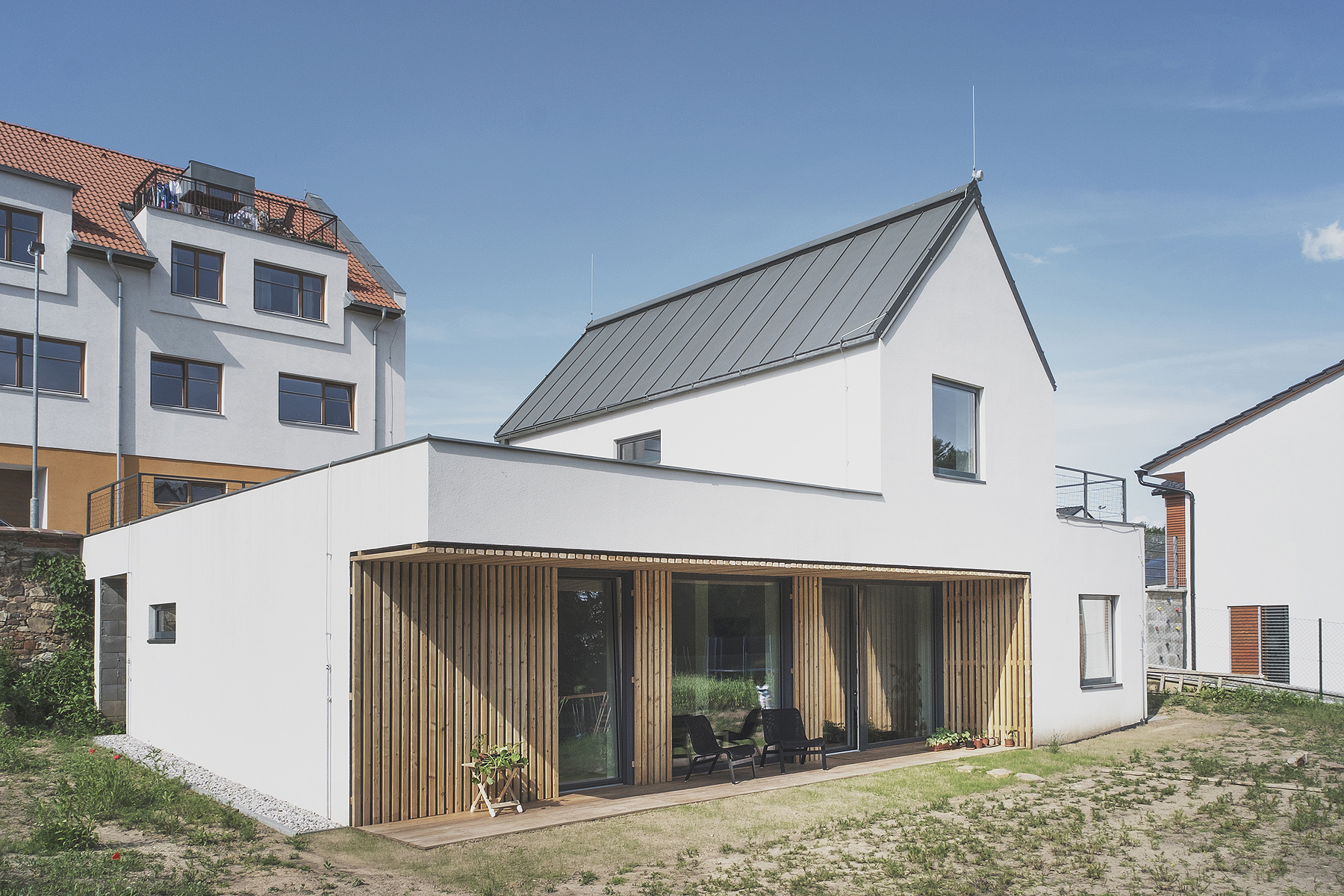
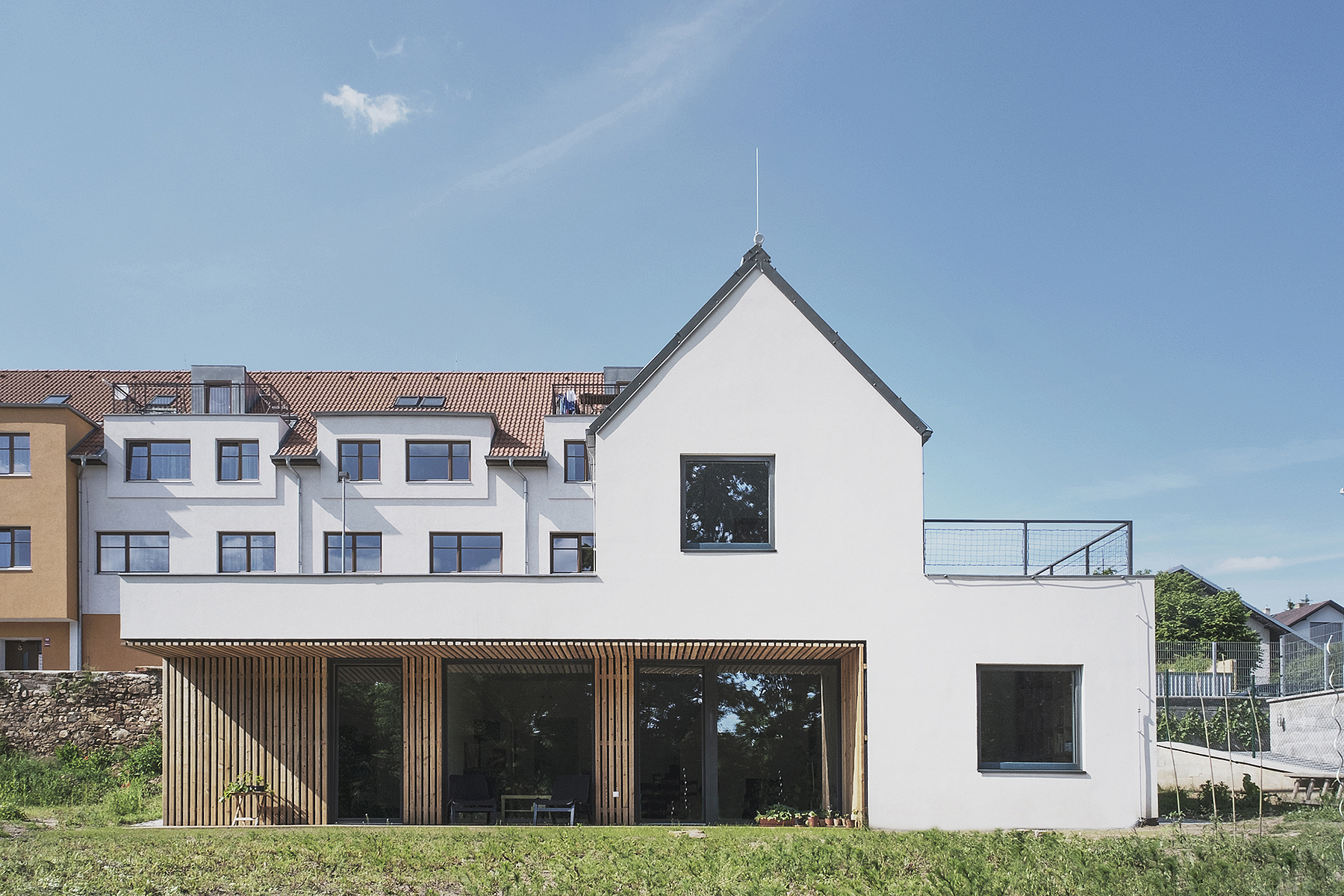
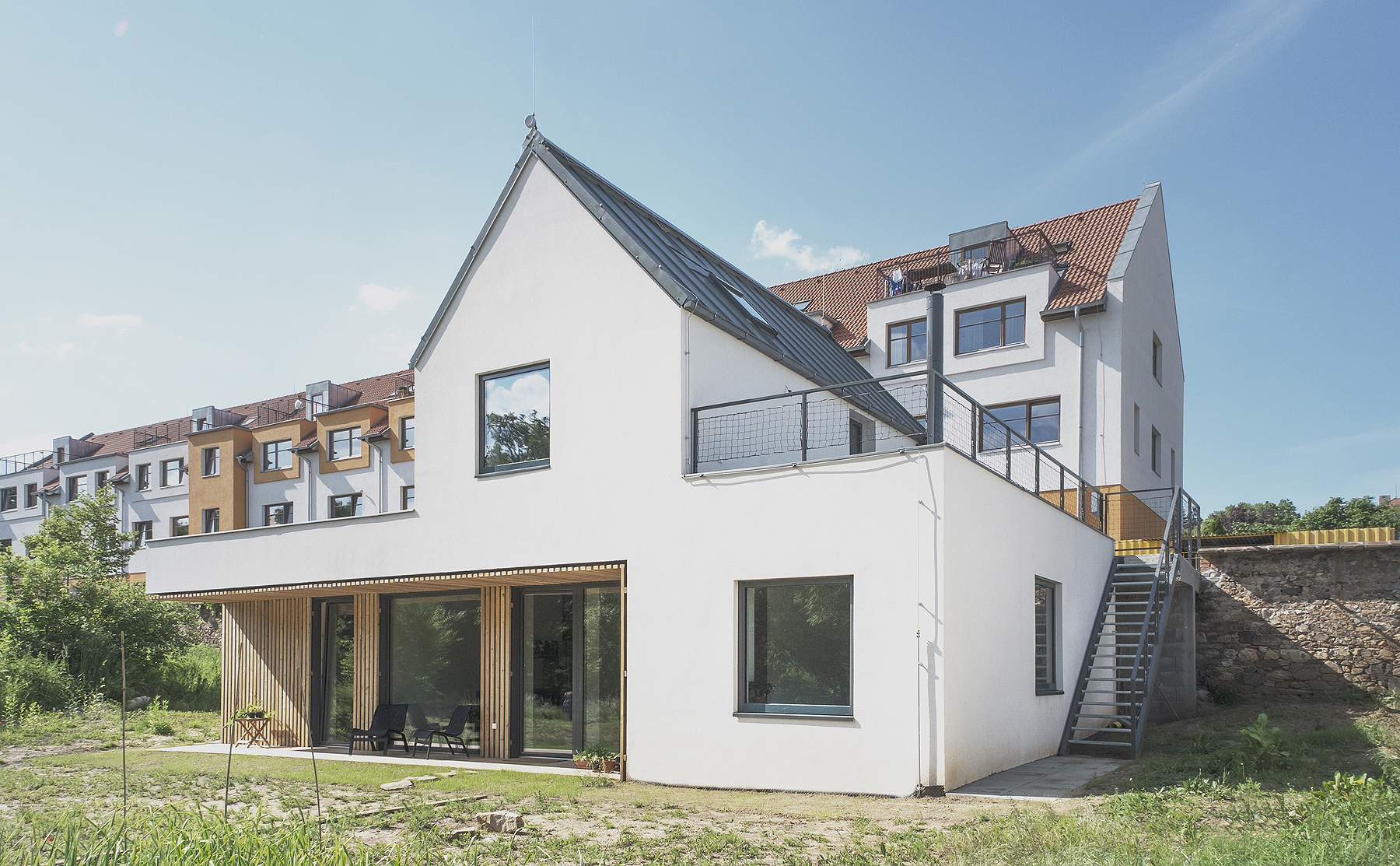
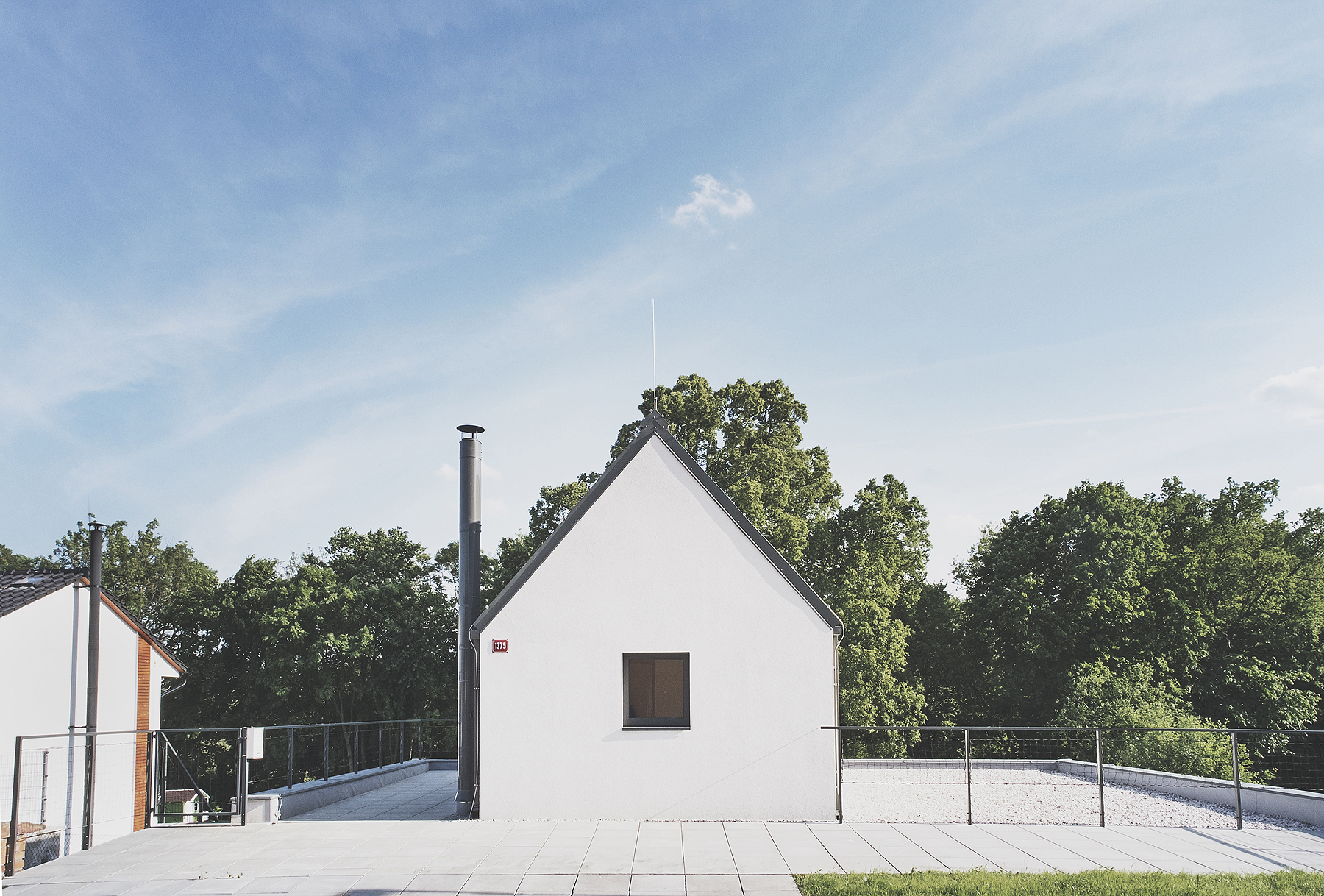
1. Who lives in the house? Is it a couple, or a family with one or two children?
Couple in their thirties.
2. What was on the site before?
The site was part of the gardening shop full of greenhouses etc. later the whole plot was divided into smaller ones of about 1000 sqm for individual housing.
3. What were the most important things the owners wanted from their new home?
The most important for them was the garden, they wanted small house of some 100 sqm with a maximal contact with the garden, since they do a lot of gardening themselves.
4. There is a large gravel area on top of the house, fenced off from the street. What is this used for?
There will be some big concrete flowerpots with flowers and some piece of art as well (sculptures etc).
5. The way you enter the house feels ambiguous - it looks like it is just as natural to walk into the house through the back, via the side stairs, as it is to enter through the front, by the street. Is this something you consciously thought about? And if so, why was it important to create this sense of openness and ambiguity in how you access the house?
This ambiguity was well thought from the beginning. Thanks to the height difference it is important to have direct access to the garden from the street, not only through the house. Owners even use the side stairs as the summer entrance to the house through the terrace. The openness is other important aspect of the design, we didn’t want to fence the upper part of the house - big part of the roof can be actually accessed by the public.
6. What is the structure built from? Is it concrete, bricks, timber frame, or steel frame?
it is bricks with ETICS with reinforced concrete slab connecting the house with the street.
7. What is the room used for, facing the garden on the far side of the lower level (opposite end from the master bedroom)?
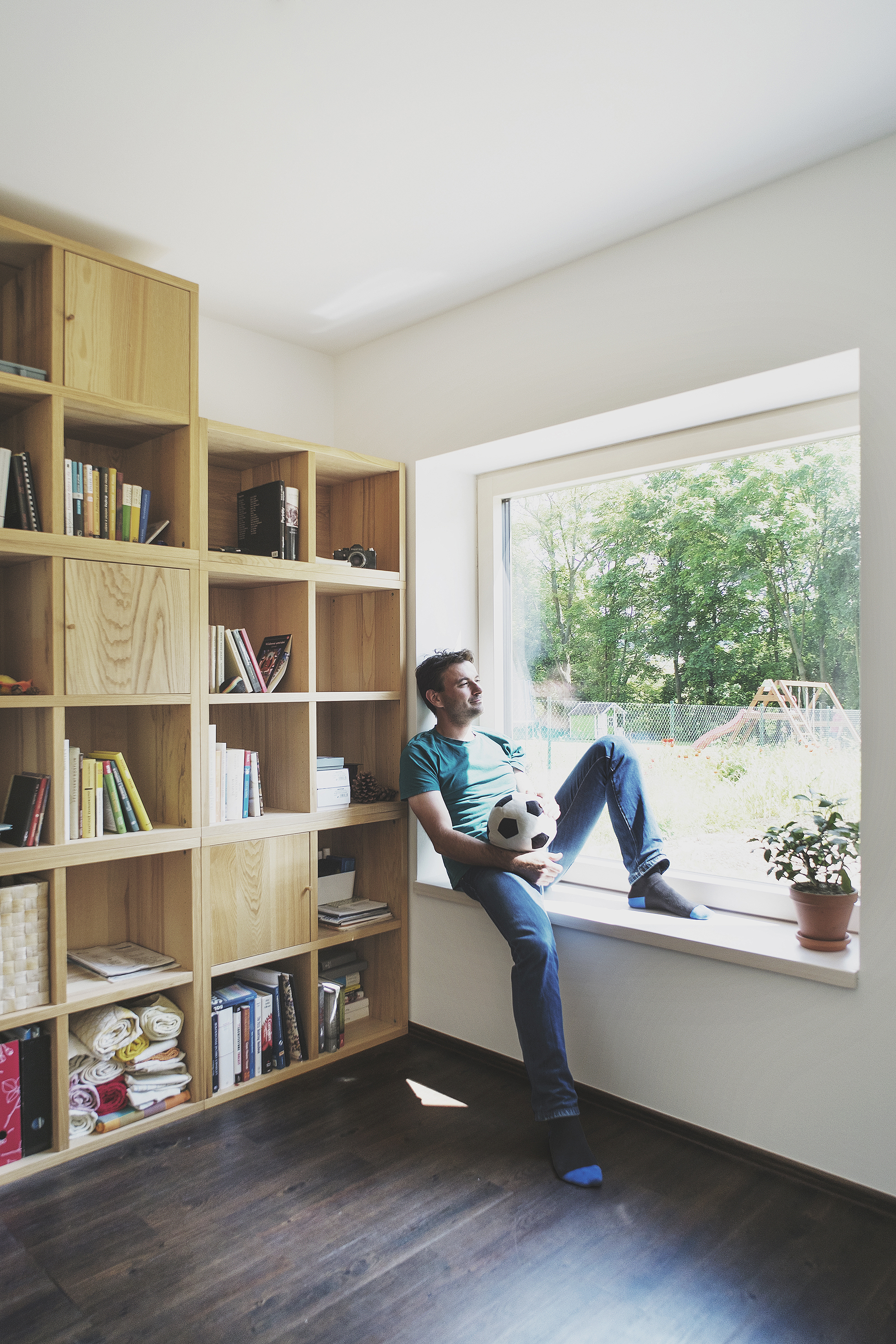
It is meant to be a reading room or a hideout room:) window in this room (and all others) are placed on the outside of the wall so you have enough space to sit on the windowsill.
8. There is a small room next to the WC on the upper level, by the entrance. What is this?
You probably mean technical and storage room. Besides that, there is a guest room facing the garden as well.
9. What type of wood have you used for the flooring inside?
Flooring is vinyl
10. What wood have you used for the south-facing terrace at the back? And why did you choose this wood?
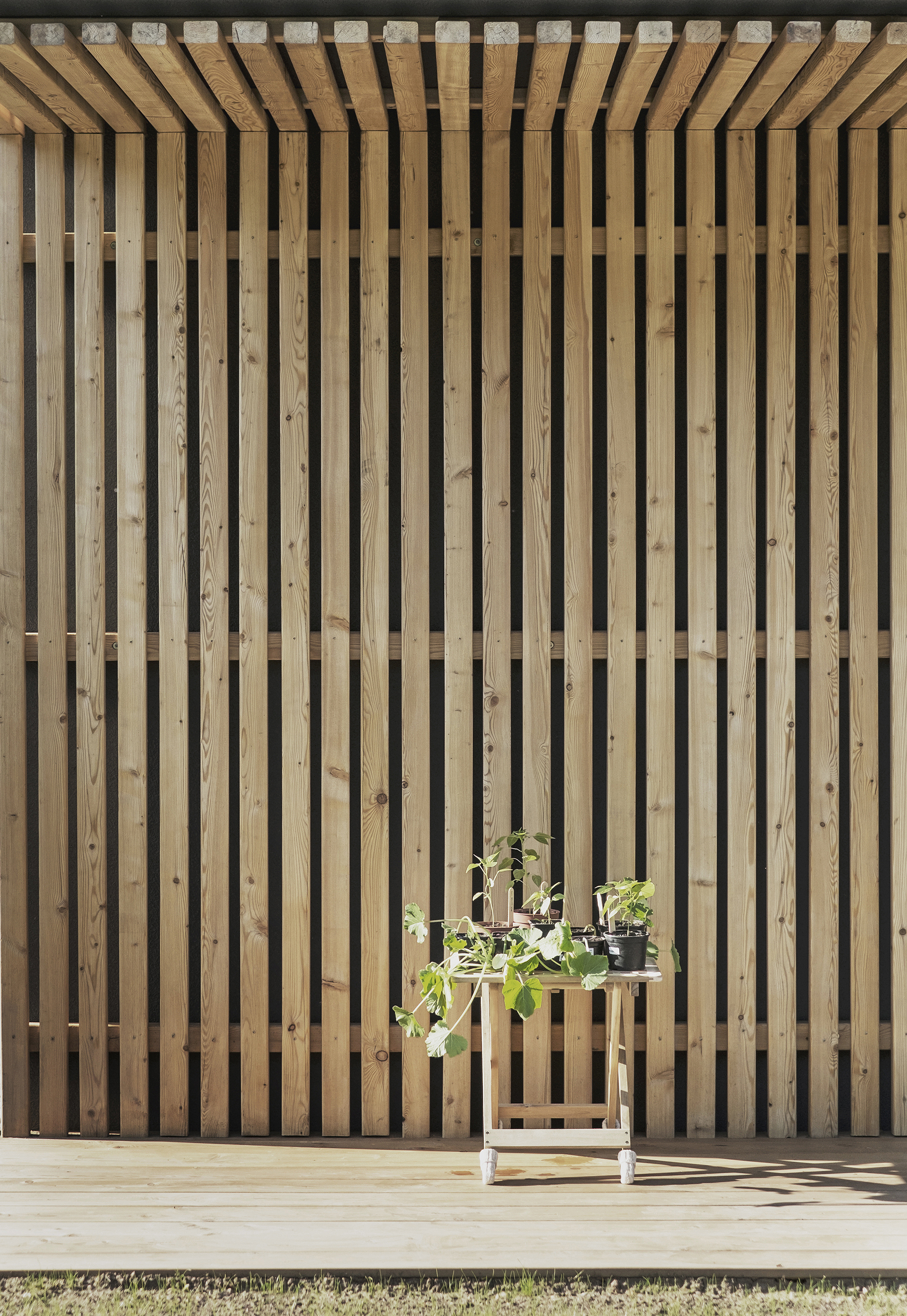
We’ve chosen larch wood for its durability and colour as it is the most durable wood besides the tropical ones we didn’t want to use. It will also get a greyish colour after some time being exposed to the weather
11. Why did you extend this wood up and over the ceiling of the terrace?
We perceive the terrace area as some cutout from the simple volume of the house, the wooden cladding is used to stress this out
12. What material have you used for the roof of the gabled structure, and why did you choose this material?
We've used the standard technique of wooden roof trusses with insulation in between covered up with plaster boards from inside. We’ve used a detail of the small square gutter placed right next to the facade just to make it as simple as possible.
Zdroj: Edit! architekti
